
 Image 1 of 1
How Technology Can Enrich Students and Education
45-hour course | Instructor: Andrew Frisch
Dates: Dec 9 – Jan 8 | Online
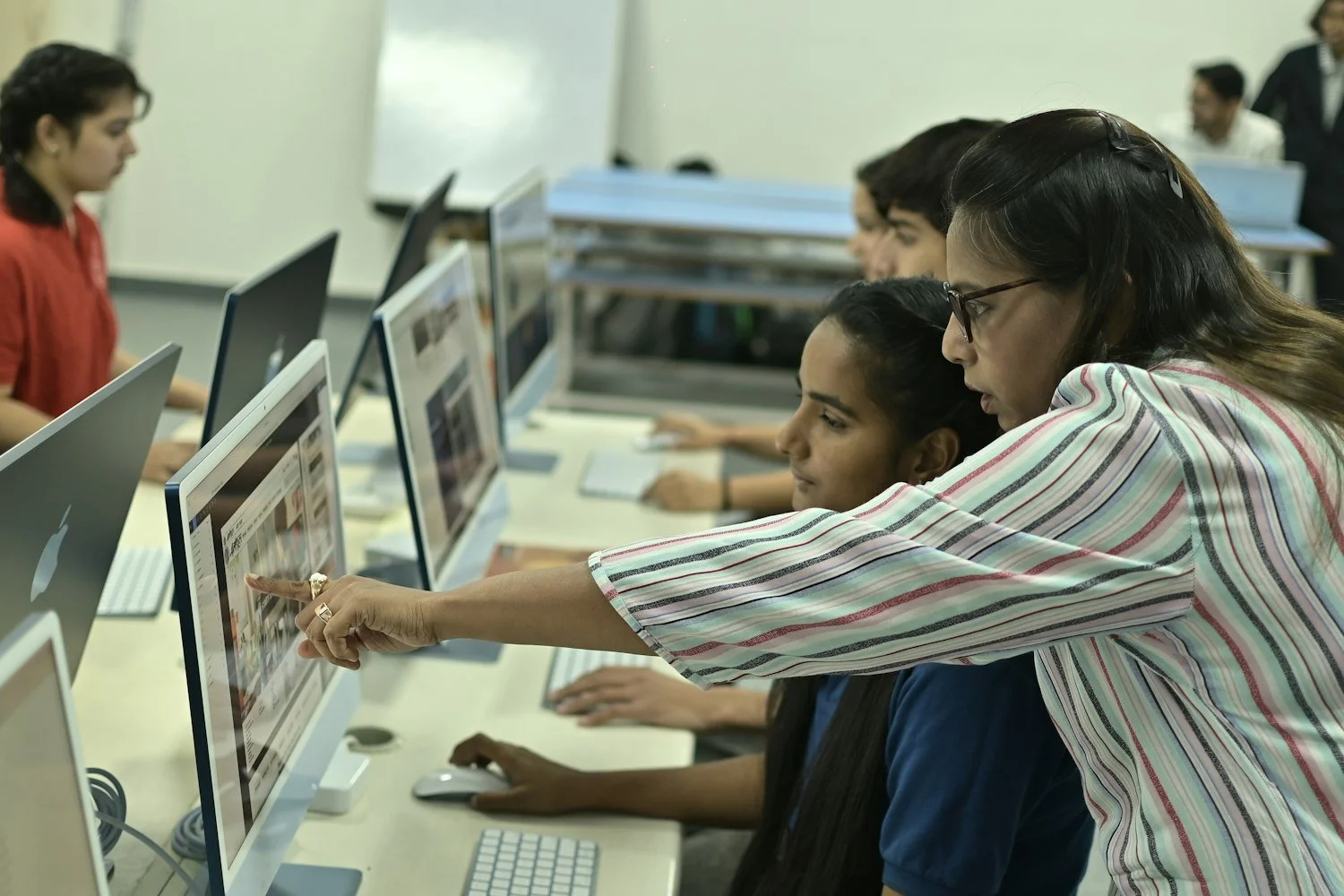
Computer literacy and computer science play an increasingly important role in 21st century education. Accomplishing the goal of involving computer education in multi-disciplinary instruction will bring a variety of necessary skills into the core of the educational process. Doing so will provide measurable benefits to students and would create a foundation for developing and utilizing critical thinking and problem solving strategies. For this to occur we need to think about how to get computer science integrated into the curriculum in ways that make sense. Having all members of the school community embrace this belief will make learning and teaching more effective. Additionally, educators should aim to ensure that students of both genders and all ethnicities are equally skilled in the most important areas of modern technology.
Understanding many aspects of computers will allow today’s student to have a powerful tool for thinking and expression by integrating technology and creativity. This will give students a more well rounded learning experience as well as the ability and familiarity to use their newly learned skills in other subject areas. This will have relevance that extends beyond math, science and other S.T.E.M. topics. Clearly, computer science has broad cross-disciplinary applications as well as the potential to give students enhanced job marketability and career path guidance. Ideally, schools and educators should understand that using technology has the potential to create rich learning experiences across the curriculum.
This course is relevant for all educators K-12.
Participants completing this course will:
- Receive materials, readings and research relevant to computer education
- Understand the role and importance of computer literacy in 21st century learning
- Be able to incorporate computer skills in their own grade level and subject area
- Ensure and promote gender and ethnic equity enabling all students to have a strong foundation in computer science
- Be prepared to guide students to recognize computer literacy as an essential tool for successful school performance